Real Time Live Video Chat Now Connect Face To Face Instantly
Have you ever wished you could see a loved one’s face while you speak to them from miles away? Live video chat makes this possible by transmitting real-time audio and video over the internet, allowing you to connect face-to-face from anywhere. It creates a genuine sense of presence, turning a simple call into a shared experience that feels warm and personal. To use it, just open a compatible app, tap the video button, and you’re instantly together.
Why Real-Time Visual Connection Dominates Modern Interaction
Real-time visual connection through live video chat dominates modern interaction because it replicates the critical nonverbal immediacy of face-to-face conversation. Unlike text or voice alone, video transmits micro-expressions, eye contact, and body language, reducing ambiguity and building trust faster. This visual bandwidth forces genuine engagement, as participants cannot hide behind delayed or edited responses.
Seeing a person’s authentic reaction in real-time compels accountability and deepens rapport in ways asynchronous media cannot.
For practical users, live video transforms remote collaboration into actual presence, enabling instant problem-solving and emotional connection without physical proximity. It is the only medium that merges convenience with the psychological cues humans rely on for effective, honest communication.
From Text to Face: The Shift in Digital Communication
The shift from text to face in digital communication, central to live video chat, replaces ambiguous typed words with immediate facial cues. Users now decode emotional intent through visual feedback, reducing misunderstandings common in text. This transition changes conversation pace; real-time facial expressions prompt quicker, more natural turn-taking than asynchronous typing. Non-verbal signals like eye contact or smiles now carry meaning, making interactions feel complete without needing emoticons. Video eliminates the delay of crafting replies, favoring spontaneous reactions over edited prose.
- Facial expressions clarify tone where text often fails to convey sarcasm or empathy.
- Live video eliminates the cognitive load of interpreting ambiguous written messages.
- Real-time visual presence replaces the need for lengthy written clarifications.
- Spontaneous reactions in video negate the curated, edited nature of typed replies.
Key Drivers Behind Instant Video Conversations
The biggest driver behind instant video conversations is the raw, unfiltered need to read a face, not just a text bubble. When a quick “lol” feels empty, hitting that video button offers immediate emotional clarity. This urge for spontaneous visual connection bypasses scheduling entirely, turning a casual check-in into a shared, live moment. People crave seeing a genuine smile or hearing a real laugh right now, not later. It is about swapping guesswork for gut feeling, making every conversation feel more present and human.
In short, the key driver is the human instinct to see real-time reactions, turning instant texts into genuine, shared moments.
Core Technologies Powering Face-to-Face Online Meetings
Live video chat is powered by real-time codec processing, where algorithms like H.264 or AV1 compress video frames for instant transmission over WebRTC. The key is adaptive bitrate streaming, which dynamically scales resolution and frame rate based on your bandwidth, preventing lag even during fluctuations. Simultaneously, acoustic echo cancellation (AEC) and noise suppression filters isolate your voice from background sounds, ensuring clear audio without disturbing feedback. These technologies synchronize voice and video streams within milliseconds, making the interaction feel natural and uninterrupted, as if the other person is truly in the room with you.
WebRTC and Its Role in Seamless Streaming
WebRTC enables seamless streaming by establishing peer-to-peer connections that bypass central servers for video data, drastically cutting latency. It negotiates codecs like VP8 and H.264 in real-time, adapting to network shifts without buffering. The user directly transmits audio and video streams through encrypted datagrams, not slower HTTP protocols. For instant face-to-face meetings, WebRTC handles this sequence:
- Signaling exchanges session descriptions via a lightweight intermediary.
- ICE candidates traverse NATs and firewalls to find the fastest path.
- Media flows directly between browsers, syncing frames with minimal delay.
This architecture ensures fluid, natural conversation during live video chats.
Latency Reduction and Adaptive Bitrate
Latency reduction directly minimizes the perceived delay between speaking and hearing a response, often employing WebRTC’s UDP-based transport to bypass buffering overhead. This keeps real-time conversation fluid. Simultaneously, adaptive bitrate algorithms dynamically adjust video quality based on fluctuating network bandwidth, preventing call dropouts or frozen frames. When bandwidth drops, the system reduces resolution slightly rather than halting the stream. Together, these technologies ensure a stable, low-latency experience, making the interaction feel natural and responsive. The adaptive bitrate streaming mechanism constantly monitors packet loss and jitter to preemptively modify compression, preserving conversation continuity without requiring user intervention.
Audio-Visual Synchronization Techniques
Audio-visual synchronization ensures that speech and lip movements align seamlessly, preventing the disorienting lag that breaks conversational flow. This is achieved through jitter buffers that dynamically adjust packet arrival timing and real-time timestamps encoded in RTP streams. Algorithms prioritize audio over video when bandwidth drops, intentionally dropping frames to maintain lip-sync integrity. For optimal results, your codec pair must support cross-stream clock recovery.
- Dynamic jitter buffers reorder late packets to avoid audio delay buildup.
- Timestamp alignment via NTP keeps audio and video streams on the same clock.
- Lip-sync detection triggers automatic resynchronization when drift exceeds 40ms.
Platforms Reshaping How We Connect Visually
Platforms have turned live video chat from a shaky novelty into a seamless, intimate way to hang out. You can now hop on a quick face-to-face call with friends across the globe, instantly sharing reactions over a shared screen or a co-watched movie. These tools strip away the formality of a phone call, making it feel as natural as sitting on the same couch. Features like real-time filters and virtual backgrounds let you control your mood and privacy in a split second. They’ve also made spontaneous visual connection the default for many relationships. This shift subtly redefines presence, where seeing someone’s immediate, unrehearsed expressions often feels more genuine than a polished text exchange. Ultimately, the platform’s design dictates how effortlessly you can blur the line between a real-life visit and a digital one.
All-in-One Collaboration Suites vs. Niche Apps
When picking tools for live video chat, the choice between all-in-one suites and niche apps comes down to depth versus breadth. An all-in-one suite bundles chat, file sharing, and scheduling into one hub, so you never leave the window for impromptu calls, but its video features often lack polish. A niche app, by contrast, obsesses over one thing—like crisp screen sharing or noise cancellation—giving you a focused experience that feels more reliable for critical meetings. If you need seamless collaboration across tasks without switching tabs, the suite wins; if raw video quality and simplicity matter most, the specialist app is your better bet.
| All-in-One Suite | Niche App |
|---|---|
| Keeps everything in one place | Excels at one specific task |
| May have laggy or cluttered UI | Lean, purpose-built design |
| Best for casual, multi-purpose use | Best for high-stakes, focused calls |
Mobile-First Solutions for On-the-Go Calls
Mobile-first solutions prioritize lightweight clients that optimize bandwidth for live video chats on cellular networks. Adaptive bitrate streaming ensures seamless on-the-go video calls by dynamically adjusting resolution based on signal stability. These apps minimize battery drain through hardware-accelerated encoding, while integrating background noise suppression for outdoor environments. A clear sequence for an optimal call includes:
- Activate the lightweight mobile client to reduce processing overhead.
- Enable adaptive bitrate to preempt degradation from fluctuating 4G/5G signals.
- Toggle noise suppression for wind or traffic interference.
- Use vertical orientation with camera grid stabilization for handheld framing.
Touch-based pinch-to-zoom and one-tap mute preserve usability during walking or transit.

Browser-Based Tools That Require No Installation
Browser-based tools that require no installation are fundamentally changing live video chat by removing the barrier of software downloads. You can simply open a link in Chrome or Firefox to instantly join a face-to-face conversation, making ad-hoc meetings effortless. Zero-download video chat platforms like these rely on WebRTC technology to handle audio and video streams directly through your existing browser. This approach proves especially handy for quick consultations or group hangouts, as there’s no account creation or update cycle to manage. Your only preparation is granting camera and microphone permissions, which makes spontaneous visual connection genuinely frictionless.
User Experience Factors That Drive Engagement
Engagement in live video chat hinges on frictionless connection and emotional presence. Low latency, high-resolution video and crisp audio are foundational; users leave if delays or pixelation break the flow. A simple, intuitive interface with one-tap start, mute, and screen-sharing controls minimizes cognitive load. Adaptive lighting correction and background noise suppression maintain focus on the conversation, not technical glitches. Q: What UX factor most directly sustains engagement? Seamless real-time interactivity. Features like live reactions, gesture recognition, or in-call text chat deepen participation, making users feel heard and responsive.
Interface Simplicity for Spontaneous Calls
For spontaneous live video chats, interface simplicity means eliminating every tap between intention and connection. A single, highly visible call button on the user’s profile or chat screen turns a fleeting thought into an instant conversation. Avoid burying options in menus; frictionless access to video calls keeps the flow natural. Auto-enabling the camera and microphone upon connection (with clear pre-call previews) removes awkward setup seconds. A minimal layout—just mute, end, and switch camera—prevents cognitive overload during unplanned chats, letting users focus entirely on the person, not the interface.
| Simplified Element | Benefit for Spontaneous Calls |
|---|---|
| One-tap call initiation | Enables instant, impulse-driven conversations |
| Auto-enable camera/mic | Eliminates pre-call settings, reducing hesitation |
| Minimal in-call controls | Prevents distraction, keeping focus on the live interaction |
Background Blur, Filters, and Virtual Presence
Background blur and filters directly reduce self-consciousness by hiding messy rooms or imperfect appearances, letting users focus on conversation. Virtual presence tools, like animated avatars or dynamic backdrops, create playful, low-pressure interactions that sustain attention longer than a bare webcam feed. These features minimize friction in spontaneous connection, turning a potential distraction into an engaging, customizable experience. How do background blur and filters enhance engagement in live video chat? They remove visual clutter and offer expressive control, making users feel more comfortable and present, which encourages longer, more authentic conversations.
Screen Sharing and Interactive Whiteboards
Screen sharing and interactive whiteboards transform live video chat from passive viewing into active collaboration. Real-time screen sharing allows participants to present documents, code, or designs without file transfers, while collaborative whiteboard tools enable simultaneous sketching, annotation, and diagramming. This dual functionality eliminates the friction of switching contexts, keeping group focus locked on shared visuals. How can these tools prevent participant confusion during complex demonstrations? By allowing the host to highlight specific areas on a shared screen or whiteboard, all viewers follow the same visual cue in real time, reducing misinterpretation and clarifying steps instantly.
Security and Privacy in Real-Time Visual Communication
In live video chat, end-to-end encryption remains the primary safeguard; ensure your chosen platform explicitly encrypts both the video and audio streams from sender to receiver, preventing any server-side access.
Even with encryption, your camera feed is a direct vector into your physical space—always verify which app has active camera permissions and muting the device when idle is a layer of control that no encryption can replace.
Beyond encryption, be aware of screen-sharing; inadvertently exposing private windows can leak sensitive data in real time. Finally, treat your background as a security surface; disable active window previews and use a blurred or static virtual background to obscure any physical objects or documents within the camera’s field of view.
End-to-End Encryption Standards
End-to-End Encryption Standards in live video chat ensure that data is encrypted on the sender’s device and decrypted only on the receiver’s device, preventing intermediaries from accessing the stream. The Signal Protocol has become a foundational standard, utilizing the Double Ratchet algorithm for forward secrecy and deniable authentication. These standards rely on ephemeral key exchanges that create unique session keys per call, rendering decryption impossible if a key is later compromised. Practical implementation requires verifying public key fingerprints via out-of-band methods to mitigate man-in-the-middle attacks.
- Mandates per-session key generation to prevent reuse across calls.
- Requires authenticated key agreement protocols like X3DH to establish trust.
- Enforces perfect forward secrecy to protect past sessions if a long-term key leaks.
- Uses cryptographic hash functions to bind encryption keys to the specific call context.
Moderation Controls and Report Features
Effective moderation controls let hosts mute, remove, or restrict disruptive participants instantly during a live video chat, preserving conversation flow. Report features empower users to flag inappropriate behavior with a single click, triggering backend review or automated banning. These tools form a real-time safety shield, letting everyone communicate without fearing harassment. Q: Can I block a user from rejoining the chat after they are removed? A: Yes, most platforms allow permanent bans from specific rooms or user accounts, preventing repeat offenders from returning under the same identity.
Data Handling and User Consent Practices
In live video chat, data handling dictates that video and audio streams are encrypted during transit and not stored permanently on servers unless explicitly opted into. User consent practices require clear, upfront disclosure about any recording, data retention, or third-party processing. A user must grant affirmative permission before any data is captured or shared. Consent must be granular, allowing control over microphone or camera access individually. Q: How long is my video data stored if I end a call? Typically, ephemeral streams are discarded immediately upon call termination, with only connection metadata retained for operational integrity, never the media content itself.
Applications Across Different Sectors
In telemedicine, live video chat lets you have a face-to-face consultation with your doctor for non-emergency issues, skipping the waiting room entirely. Customer support for online retailers uses it to walk you through product assembly in real-time or quickly resolve a complex return. In education, tutors can use live video to demonstrate hands-on tasks like a chemistry experiment or art technique, pausing and zooming in as needed. Real estate agents host live video tours to show you multiple properties in a single afternoon, answering questions about the neighborhood on the spot. Remote fitness coaching leverages live video to instantly correct your form. Interestingly, live video chat is also transforming vintage car restoration, allowing a specialist guide a hobbyist through an engine rebuild from miles away.
Telehealth: Virtual Consultations That Feel Personal
Telehealth transforms live video chat into a private, personal consultation where your doctor sees your home environment and reads your non-verbal cues in real-time. During a virtual check-up, a dermatologist can zoom in on a rash or a therapist can notice a subtle shift in your posture. Personalized remote care means you receive immediate medical reassurance without a waiting room, from managing chronic conditions to getting prescription adjustments. How does video chat prevent the “cold screen” feeling? By allowing for direct eye contact, natural pauses in conversation, and the ability to share your space—like showing your medication bottle or a healing wound—the session mimics the intimacy of an exam room, making you feel heard, not just seen.
Remote Work: Team Huddles and Client Pitches

For remote teams, live video chat transforms daily stand-ups into high-impact team huddles where visual cues replace lagging chat messages. These quick sessions leverage screen sharing to debug code or update sprint boards in real time. Client pitches become more persuasive when you use live video to gauge reactions and adjust your slide deck on the fly. A crisp sequence ensures neither internal nor external calls falter:
- Mute all participants to eliminate background noise during the opening.
- Share your screen to walk through a prototype or data visual.
- Unmute for a rapid Q&A that reads the room’s energy.
This fluid switch keeps every huddle and pitch sharp.
Education: Interactive Classrooms Beyond the Lecture
In education, live video chat transforms passive lectures into interactive learning environments. Instead of one-way transmission, students in remote locations join real-time discussions, ask questions via chat, and participate in live polls or breakout rooms for group problem-solving. Instructors share their screen to annotate diagrams or code in real time, while students collaborate on shared digital whiteboards. This direct interaction mirrors a physical classroom’s dynamics, enabling immediate feedback and clarification. Q: How does live video chat facilitate hands-on group work beyond the lecture? A: It supports breakout sessions where small groups solve problems together, with the instructor dropping into each room to provide targeted guidance.

Emerging Trends Shaping Visual Conversations
Emerging trends shaping visual conversations in live video chat center on hyper-personalization and immersion. AI-driven background removal and dynamic lighting adaptation now seamlessly integrate users into any digital environment, reducing distractions. A key shift is the rise of real-time avatar overlays, allowing users to maintain non-verbal cues through stylized representations for privacy without losing emotional context. Simultaneously, eye-contact correction algorithms process camera feeds to simulate natural gaze, fostering deeper trust. For practitioners, prioritize leveraging spatial audio frameworks that adjust volume based on speaker distance, creating a natural conversational flow. These tools collectively transform live video from a simple window into a collaborative, context-aware space.
AI-Powered Backgrounds and Real-Time Translation
AI-Powered Backgrounds remove or replace the user’s physical setting in real-time, using machine learning to isolate the person from the background. This allows for privacy or professional aesthetics without a physical screen. Real-Time Translation immediately converts spoken language into captions or audio in the viewer’s preferred language, bridging communication gaps. For effective use, a clear workflow is:
- Enable the background filter through the video chat app settings.
- Select a virtual backdrop or blur level from provided options.
- Activate the translation feature, choosing source and target languages.
- Speak clearly; the system overlays translated captions or alters audio output live.
Integration with Wearables and Smart Glasses
Wearables and smart glasses are making live video chat hands-free and immersive. You can now take a video call while cooking or walking, with the camera showing your actual point of view. Smart glasses overlay the caller’s face onto your lenses, so you see them in your peripheral vision without holding a phone. For example, repair technicians use these glasses to share what they see and get real-time guidance. This augmented reality video calling transforms how we collaborate remotely, making interactions feel natural and immediate.
- Answer a video chat just by tapping your temple or using voice commands.
- View live captions and caller video directly on the glasses’ display.
- Share your exact field-of-vision during hands-on tasks like repairs or workouts.
Augmented Reality Overlays for Immersive Calls
Augmented Reality Overlays transform live video chat by letting you project interactive 3D objects, such as a shared virtual whiteboard or a life-sized furniture model, directly into your real environment during the call. These overlays respond to your movements, allowing you to manipulate shared digital elements in real time as if they physically exist in the room. You can apply weather effects around a friend’s avatar or place contextual annotations that both participants see anchored to specific surfaces. A precise hand gesture can rotate a rendered product for inspection without breaking conversational flow.
- Anchor a 3D architectural model onto the actual floor for collaborative walkthroughs.
- Draw animated diagrams that float beside a caller’s face.
- Overlay a live translated subtitle bubble that tracks the speaker’s head.
Optimizing Content for Discovery Around Instant Visual Communication
You glance at your phone, and a friend’s face appears instantly—this is the raw power of instant visual communication. To optimize content for discovery within a live video chat, you must craft video titles that scream immediacy, like “Catch-Up Coffee” or “Quick Hack Demo.” Thumbnail optimization matters deeply; a sharp, candid screenshot from the chat’s first second acts as a visual hook. Real-time tagging of participants during the call instantly links their profiles to the recorded clip, widening reach. The most critical shift is embedding a direct “Watch Now” call-to-action right in the chat’s preview, so viewers jump into the live moment rather than skim a static post. Your metadata should mirror the chat’s spontaneous vibe—use the exact phrases spoken in the first ten seconds to capture search queries from those seeking authentic connection.
Keyword Clusters for Search Engines
For live video chat content, keyword clusters group semantically related terms like “real-time video call troubleshooting”, “low-latency streaming fix”, and “webcam lag omegleweb solutions” into a single topical bucket. This signals depth to search engines. Build clusters around core user intents—such as connection stability, interface usability, or privacy features—using tools to identify co-occurring long-tail queries. Each cluster then informs specific page sections, ensuring internal linking between cluster pages reinforces thematic authority without keyword stuffing.
Keyword clusters for live video chat organize semantically linked search terms into topical groups, improving SEO relevance by addressing multiple user intents within a focused content structure.
Structuring Articles Around User Intent
When structuring articles around user intent for live video chat, start by identifying what someone actually wants: troubleshooting a glitch, choosing a platform, or learning native etiquette. Group your content by these needs. If a user searches “why is my video lagging,” your article’s structure should jump straight to latency fixes, not general streaming history. Keep subtopic headers clear and scannable. For tutorials, use a step-by-step flow. For comparisons, present features in digestible tables. This keeps intent-driven content architecture intuitive.
Q: How do I check if my article structure matches user intent? A: Run a quick test: read only your header and first sentence of each section. If a user on a video call could immediately find their fix or answer, your structure is solid.
Internal Linking to Related Tech Guides
Internal linking to related tech guides creates a logical pathway for users troubleshooting live video chat performance. By embedding links within setup tutorials to guides on microphone calibration or lighting optimization, you enable seamless navigation between interdependent issues. This structure reduces bounce rates while reinforcing contextual topic clusters for search engines. Each link must anchor to specific, actionable content—such as a guide on bandwidth requirements directly within a latency reduction article—ensuring every connection serves a clear user need rather than generic cross-references.
Monetization Models for Video Interaction Platforms
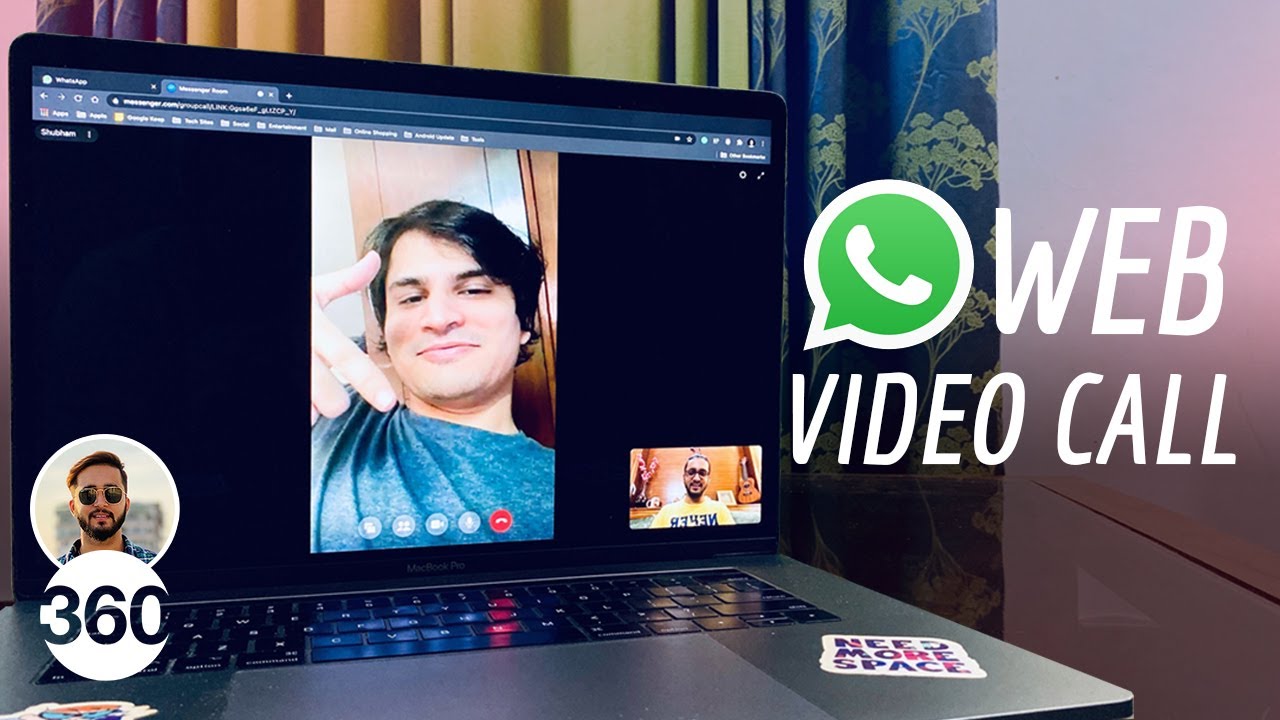
For live video chat platforms, the most direct monetization model is a **pay-per-minute structure**, where users purchase credits for real-time conversations. You charge for access, not for time wasted. Q: How do you convert a free user to a paying one? A: Offer a short free preview, then require credits to continue or unlock HD quality. A premium tier can remove ads and provide priority connection speeds. Token gifting systems also thrive here, letting viewers send virtual items during one-on-one or group chats, which creators convert to cash. Tiered subscriptions, where users pay a monthly fee for unlimited chat minutes with specific profiles, create recurring revenue while building user loyalty around exclusive access.

Freemium Tiers with Premium Features
Freemium tiers in live video chat entice users with core functionality while strategically reserving high-value capabilities behind a paywall. This approach leverages the upgrade psychology of virtual gifting by offering basic interactions for free, then unlocking premium features like 4K video streaming, ad-free sessions, and unlimited simultaneous connections only through a subscription. Users experience the platform’s core value before committing, making the paid upgrade feel like a natural progression rather than a barrier.
- Access to advanced video filters and AR effects reserved for premium tiers
- Priority customer support and exclusive virtual gifts for paying subscribers
- No interruption of call timers or video quality caps on free tier
- Unlock private, encrypted one-on-one rooms through premium access
Pay-Per-Minute for Specialized Services
For niche experts and advisors, pay-per-minute billing unlocks high-value live video sessions without subscription commitments. Users connect with specialized professionals—legal consultants, financial analysts, or language tutors—directly through the platform’s secure video interface. The rate, typically set per 60-second increment, is displayed upfront before connection, ensuring transparency. Billing pauses if the video stream drops unexpectedly, protecting both parties. Funds are deducted from a pre-loaded wallet, with the session ending automatically when the balance depletes, eliminating surprise invoices.
Pay-per-minute monetization enables precise, trust-based billing for specialized live video consultations, optimizing revenue for experts and ensuring cost control for users.
Subscription Plans for Business Users
For business users, subscription plans for live video chat platforms typically hinge on tiered access to enterprise-grade video tools. A basic tier might offer limited concurrent streams and standard recording, while a premium tier unlocks dedicated servers, custom branding, and API integrations for CRM syncing. Mid-level plans often include analytics dashboards and priority support. Billing is usually per-seat or flat monthly, with annual contracts providing discounts. The core value is predictable costs, guaranteed uptime SLAs, and administrative controls for moderators to manage large-scale interactions.
Technical Best Practices for a Smooth Experience
Before you hit that start button, tether your device to a wired network or park right next to your router, because Ethernet over Wi-Fi eliminates the jitter that makes faces freeze mid-sentence. I once watched a presenter’s lips sync to a three-second delay because he left a 4K stream running in another tab; closing that bandwidth hog saved the call.
Shut down every non-essential app and browser tab—your CPU and upstream pipe will thank you during sudden motion or screen sharing.
Finally, test your webcam’s field of view first: frame your face with a neutral background and aim a soft light at eye level, so the encoder doesn’t waste bits trying to sharpen a dark, noisy room.
Bandwidth Requirements and Adjustments
Stable live video chat requires a minimum upload speed of 1 Mbps and download speed of 2 Mbps for standard definition, with 3 Mbps up and 5 Mbps down recommended for HD. Users experiencing lag should first close bandwidth-heavy applications and lower video resolution in app settings. Dynamic bitrate adjustment lets software automatically reduce quality to prevent freezing when network congestion occurs, ensuring continuous audio. Testing your connection before a call via a speed test is a practical step to identify if upstream capacity is the bottleneck, allowing you to preemptively switch to a less demanding video profile.
Hardware Recommendations for Optimal Clarity
For optimal video chat clarity, prioritize hardware that handles real-time encoding without lag. A dedicated webcam with a large sensor and autofocus dramatically outperforms built-in laptop cameras in low light. Use a quality external microphone, such as a USB condenser or a lavalier, to capture crisp, noise-free audio. On the display side, a monitor with a 144Hz refresh rate and low response time ensures smooth, ghost-free motion during rapid gestures.
- Choose a webcam with at least 1080p resolution and a wide aperture (f/2.0 or lower) for brighter, sharper video.
- Select a microphone with a cardioid pickup pattern to isolate your voice from room echo and keyboard clicks.
- Use a wired, high-bandwidth Ethernet connection or a Wi-Fi 6 router to prevent stutter from network drops.
- Install adjustable LED ring lights to eliminate harsh shadows on your face and maintain consistent exposure.
Troubleshooting Common Audio-Video Glitches
To resolve audio-video glitches during live video chat, first isolate the issue: if your video freezes while audio continues, check your internet bandwidth and close other streaming applications. For garbled or missing audio, verify your device’s microphone and speaker configurations, ensuring the correct input/output device is selected in the chat app’s settings. A persistent echo often requires using headphones or reducing speaker volume. If the screen turns black, disable hardware acceleration in the app’s preferences. Prioritize checking driver updates for your webcam and sound card, as outdated drivers cause most recurrent glitches. Always restart the chat application after any change to confirm the fix.
Isolate the glitch type, adjust bandwidth or device settings, update drivers, and restart the app to restore stable live video chat.
Future Directions for Real-Time Visual Engagement
Future directions for real-time visual engagement in live video chat will prioritize hyper-personalized, AI-driven background replacement that adapts to lighting and movement in real time. Expect adaptive eye contact correction algorithms to remove the off-camera gaze issue, making conversations feel more direct. Live facial expression mapping will translate subtle micro-expressions into shared visual cues, enhancing non-verbal communication. Spatial audio-visual cues will synchronize with speaker movement, creating a 3D sense of presence. Future chats will dynamically adjust video framing using intelligent cropping, ensuring participants are always centered despite shifting positions, all while minimizing bandwidth lag through edge-compute rendering.
Holographic Calls and Spatial Audio
Holographic calls will transform live video chat by rendering participants as life-sized, volumetric projections, making eye contact and body language feel genuine across distances. Spatial audio for immersive conversations is critical here, as it anchors each voice to a specific point in the holographic space. During a group call, you will hear a friend’s voice from their projected position, not just a flat stereo mix. This synergy works through a clear sequence:
- Your device captures your full 3D image with depth sensors.
- The system streams the volumetric data and assigns your audio to your spatial coordinates.
- The remote viewer sees you as a hologram while hearing your voice exactly from where you stand.
This erases the disorienting gap between seeing a face on a screen and hearing their voice anywhere else.
Decentralized Platforms Without Server Reliance
Future live video chat will migrate to peer-to-peer mesh networks, eliminating server bottlenecks entirely. Each participant in a call becomes both a broadcaster and relay node, forwarding encrypted video packets directly to others without a central relay. This architecture enables calls to scale without per-user server costs and removes single points of failure. To establish a session, users first connect via a lightweight signaling protocol that exchanges routing keys. Then, the call self-organizes:
- Each client discovers nearby peers through a distributed hash table
- Video and audio streams are sharded and sent across multiple direct connections
- If a node drops, remaining peers automatically re-route streams through alternative paths
This ensures no server can be taken down to halt the conversation.
Cross-Reality Cross-Platform Interoperability
Cross-Reality Cross-Platform Interoperability will let a user in a VR headset share a live video chat with a friend on a phone, while a third joins via AR glasses—all within the same session without losing context. This seamless mesh enables unified spatial video feeds, where real-world backgrounds and virtual objects coexist across devices. Users can pass 3D assets between platforms in real-time, turning a call into a collaborative holographic workspace.
- Selective projection of VR avatars onto AR surfaces ensures everyone sees the same interactive elements.
- One click seamlessly migrates a live call from tablet to smart glasses without video interruption.
- Built-in resolution scaling adapts rich 3D visuals to each device’s panel without lag.
What Exactly Is a Live Video Chat and How Does It Work?
Breaking Down the Technology Behind Real-Time Face-to-Face Calls
Key Differences Between Live Video Chat and Standard Voice Calls
Top Features That Make a Live Video Chat Experience Smoother
Screen Sharing, Virtual Backgrounds, and Real-Time Captioning Explained
How High-Definition Video and Adaptive Bandwidth Improve Clarity
How to Choose the Right Platform for Your Video Calls
Factors to Consider: Device Compatibility, Group Size, and Privacy Settings
Comparing Free vs. Paid Options for Personal and Professional Use
Practical Tips for Better Lighting, Audio, and Camera Setup
Simple Tricks to Look and Sound Your Best During a Live Call
Common Connection Issues and How to Fix Them Quickly
What Are the Biggest Benefits of Using Live Video Instead of Messaging?
Building Stronger Connections Through Nonverbal Cues and Eye Contact
How Real-Time Visual Interaction Boosts Collaboration and Trust
Frequently Asked Questions by First-Time Live Video Chat Users
Is It Secure to Use a Live Video Chat with Strangers?
Can You Record a Live Video Chat for Later Review?